
Personalisierte Cake Topper mit Wunderkerzen-Halter
Auf Bestellung in 3D gedruckt und von Hand veredelt, mit jedem Namen und Alter personalisiert und so geformt, dass eine Eisfontäne sicher über der Torte steht. Sobald das Licht ausgeht, wird die Torte zur Hauptattraktion.
- Integrierter Fontänen-Halter
- Jeder Name, jedes Alter
- Versand mit Tracking in 5–10 Werktagen


Auf Bestellung gefertigt
In unserem spanischen Studio gedruckt und von Hand veredelt
Personalisierung gratis
Name, Alter oder Datum – prüf vor dem Bestellen nur die Schreibweise
Halter integriert
Hält eine Tortenfontäne fest — ohne Wackeln, ohne Wachs
Versandkostenfrei ab 70 €
Versand nach Deutschland 9,62 € · gratis ab 70 € · mit Tracking in 5–10 Werktagen
Nach Anlass shoppen
Jeder Topper wird auf Bestellung gefertigt — wähl den Anlass, wir schreiben genau das drauf, was du möchtest.
Beliebteste Cake Topper
Die Designs, zu denen unsere Kundinnen immer wieder zurückkommen.
- Bestseller
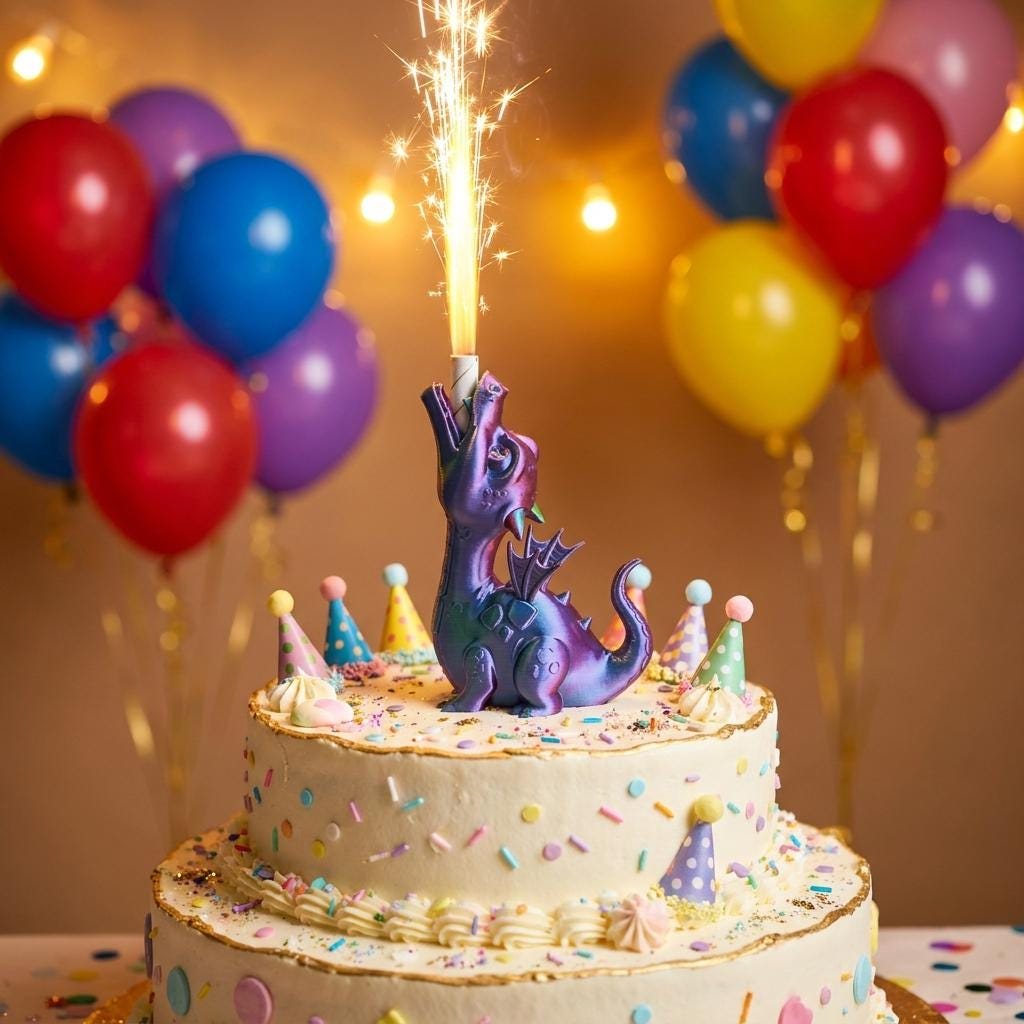
Drachen Cake Topper – Tortenstecker mit Halter für die Eisfontäne
Schillerndes Farbwechsel-PLA – der Drache speit die Funken selbst.
€24.20Anseheninkl. MwSt., zzgl. Versand - Bestseller✏️ Personalisierbar
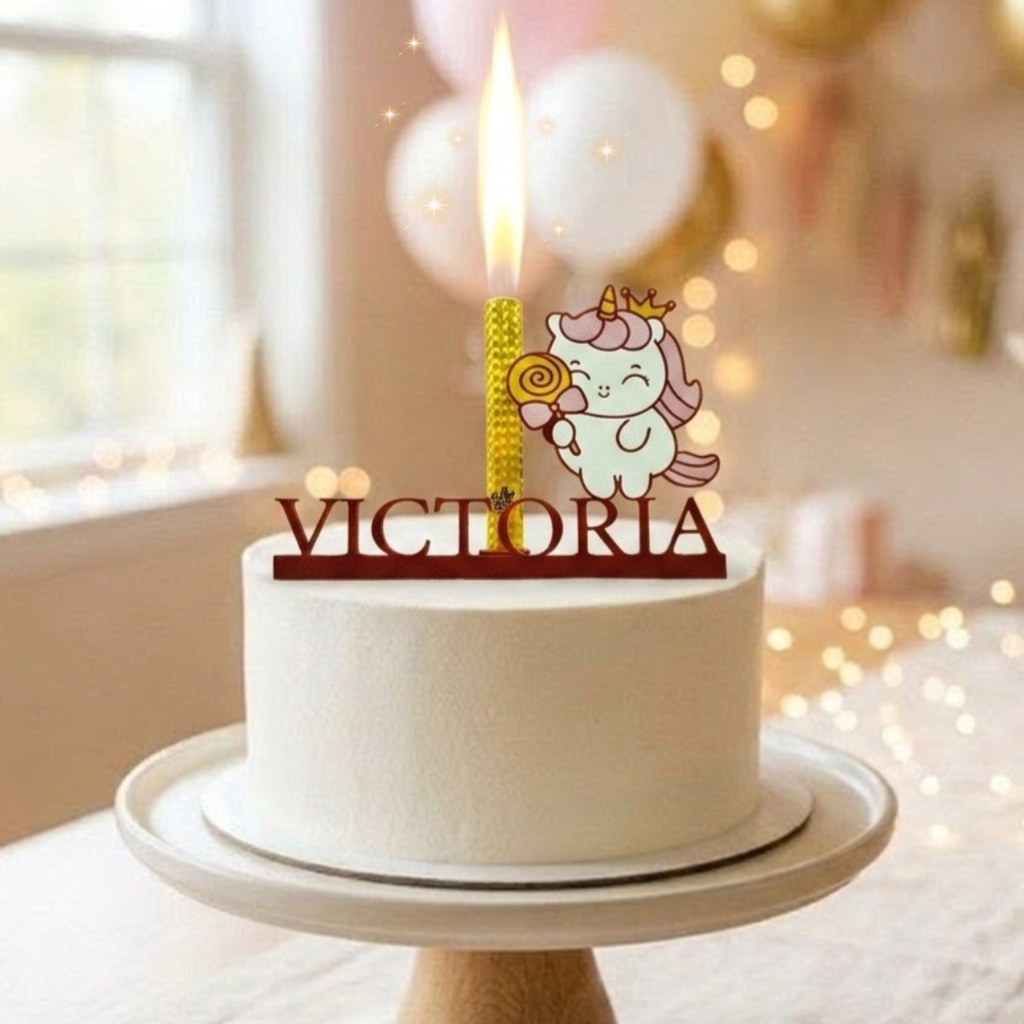
Einhorn Cake Topper personalisiert – Tortenstecker mit Wunschname
Wunschname zwischen Horn und Mähne, dazu Platz für eine Eisfontäne.
€19.36Anseheninkl. MwSt., zzgl. Versand - Bestseller✏️ Personalisierbar
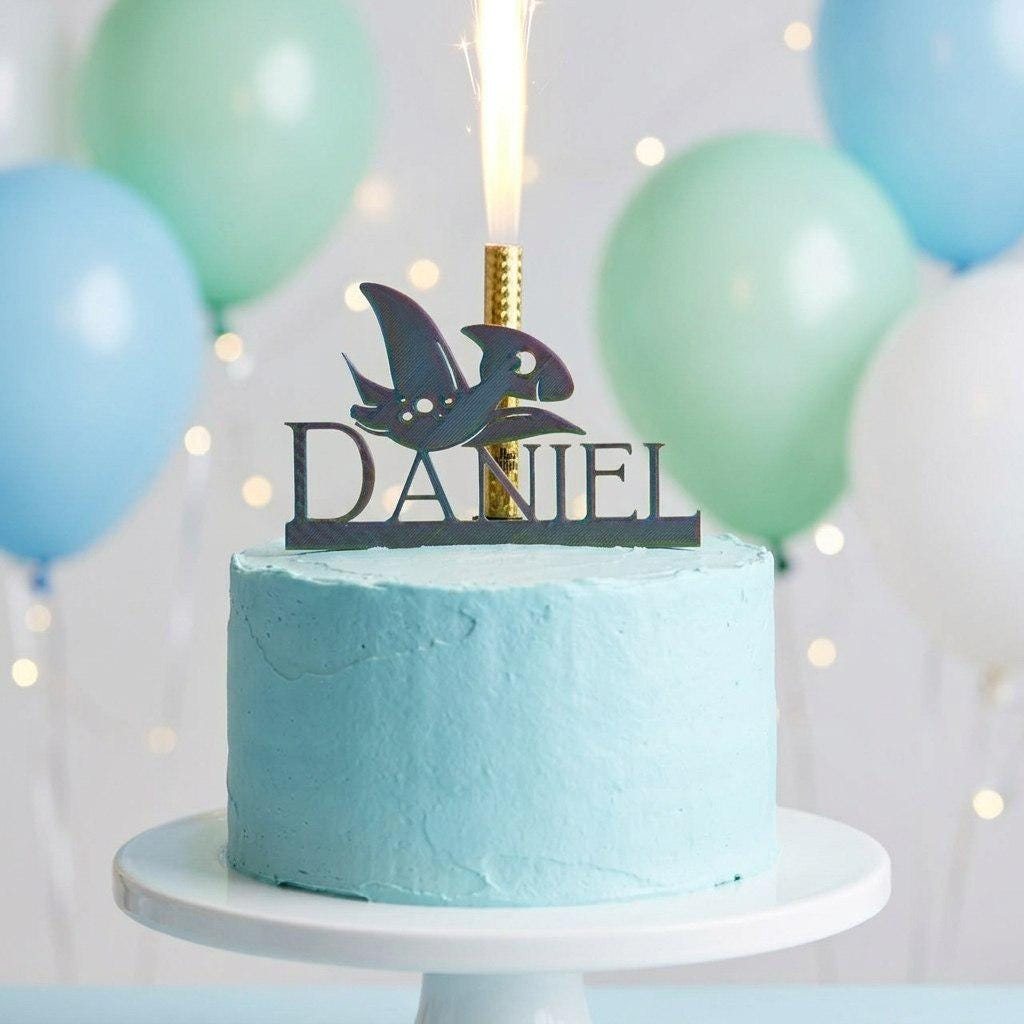
Dino Cake Topper personalisiert – T-Rex Tortenstecker mit Name
T-Rex mit Wunschname – für die Dino-Party und danach fürs Regal.
€16.94Anseheninkl. MwSt., zzgl. Versand - Bestseller
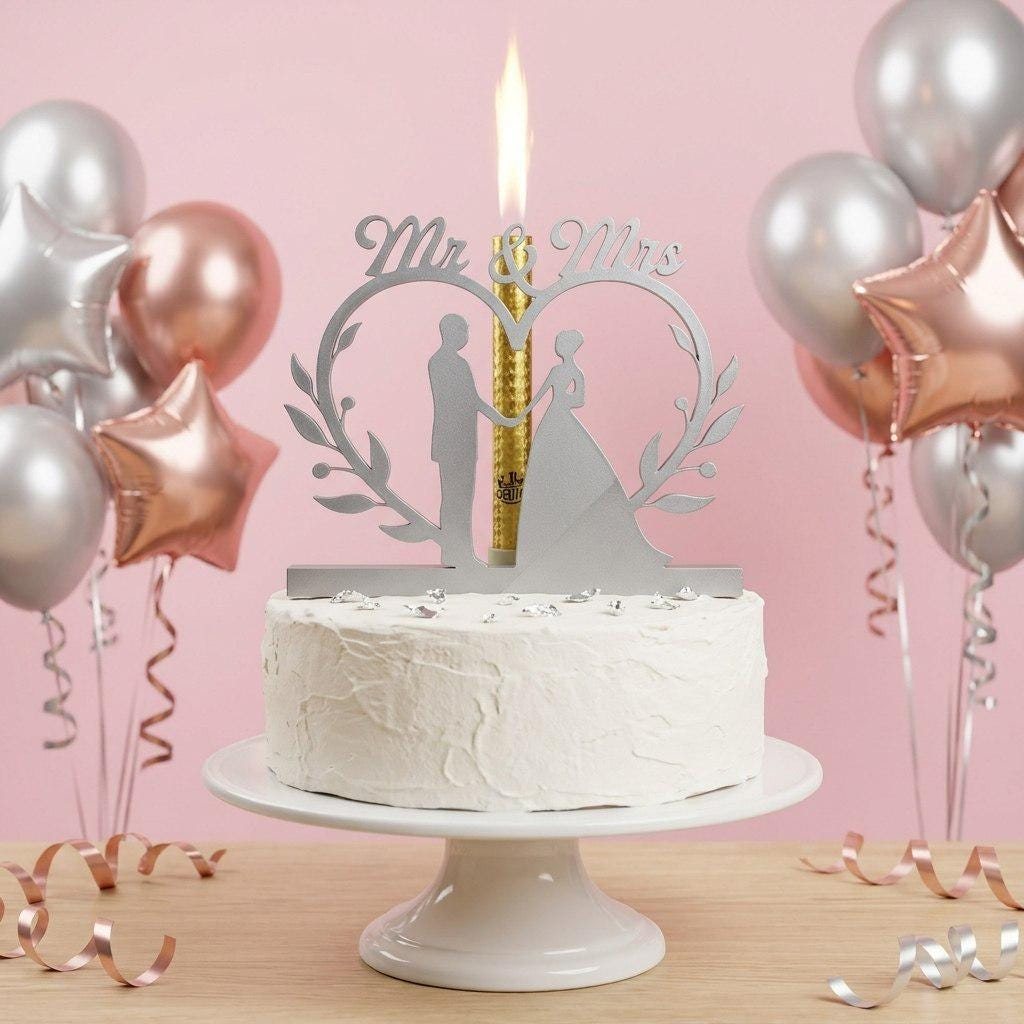
Mr & Mrs Cake Topper – Tortenstecker mit Herzkranz für die Hochzeitstorte
Brautpaar im Lorbeerherz – fertig gestaltet, ohne Namen, sofort in Produktion.
€14.52Anseheninkl. MwSt., zzgl. Versand - Bestseller
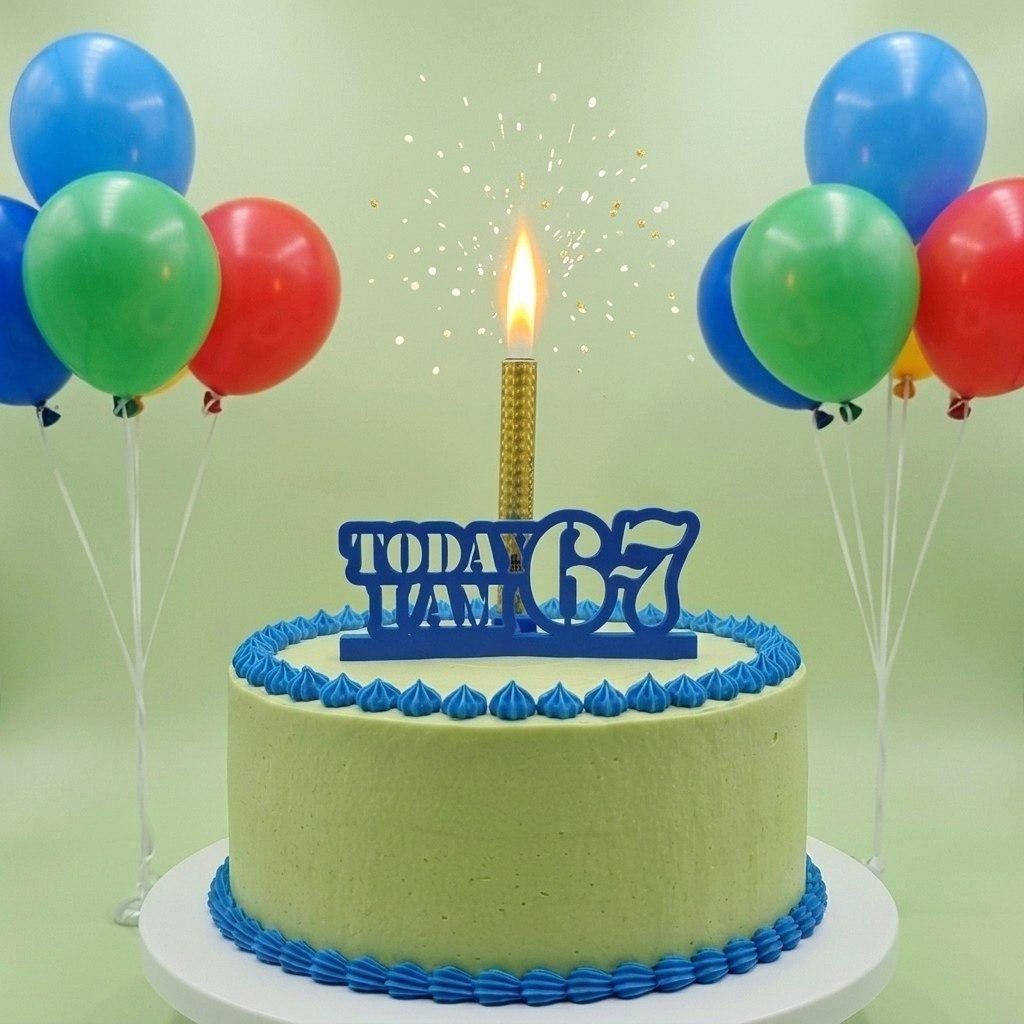
6-7 Cake Topper: TODAY I AM 6-7 – Tortenstecker zum 7. Geburtstag
Der Meme-Gag, den der ganze Tisch versteht – mit Fassung für die Tortenfontäne.
€14.52Anseheninkl. MwSt., zzgl. Versand - Bestseller
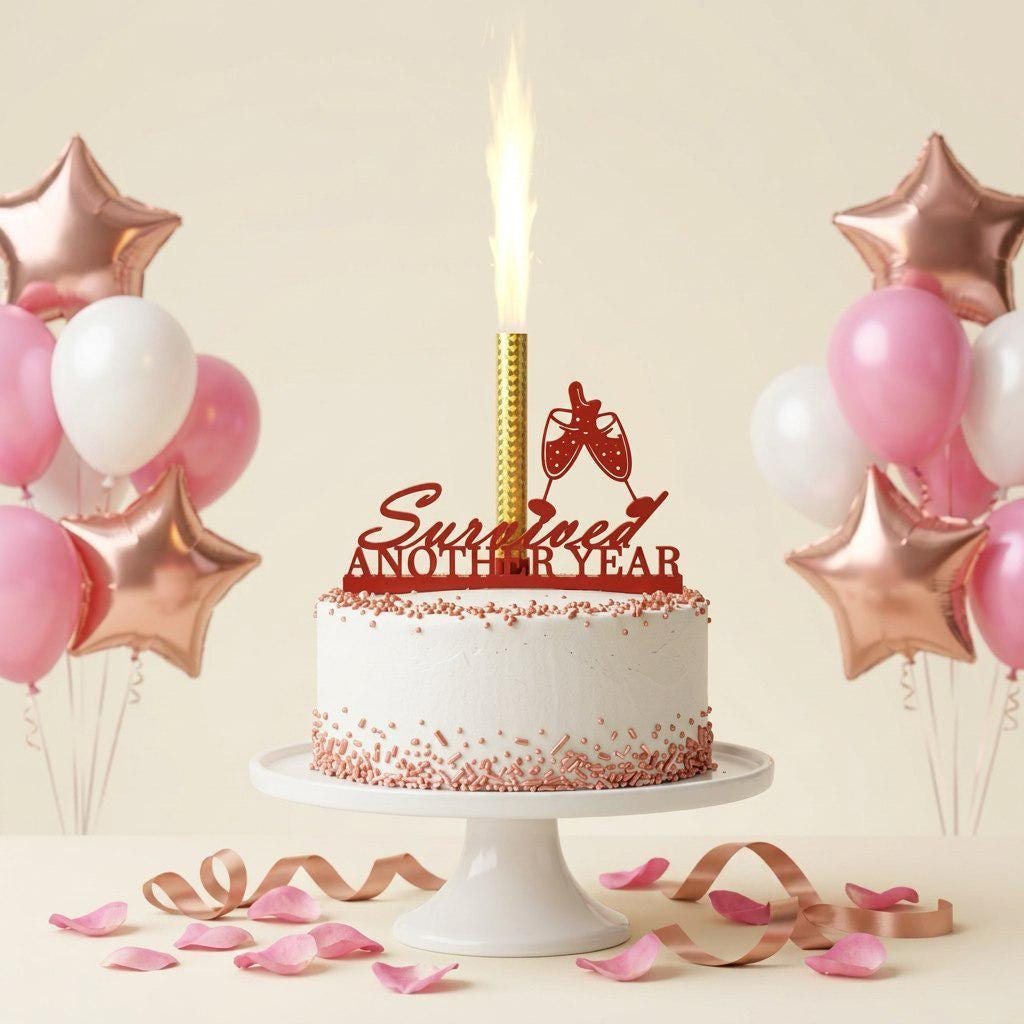
Survived Another Year Cake Topper – lustiger Tortenstecker
Frecher Spruch in Schreibschrift, dazu zwei anstoßende Sektgläser.
€14.52Anseheninkl. MwSt., zzgl. Versand - Bestseller✏️ Personalisierbar
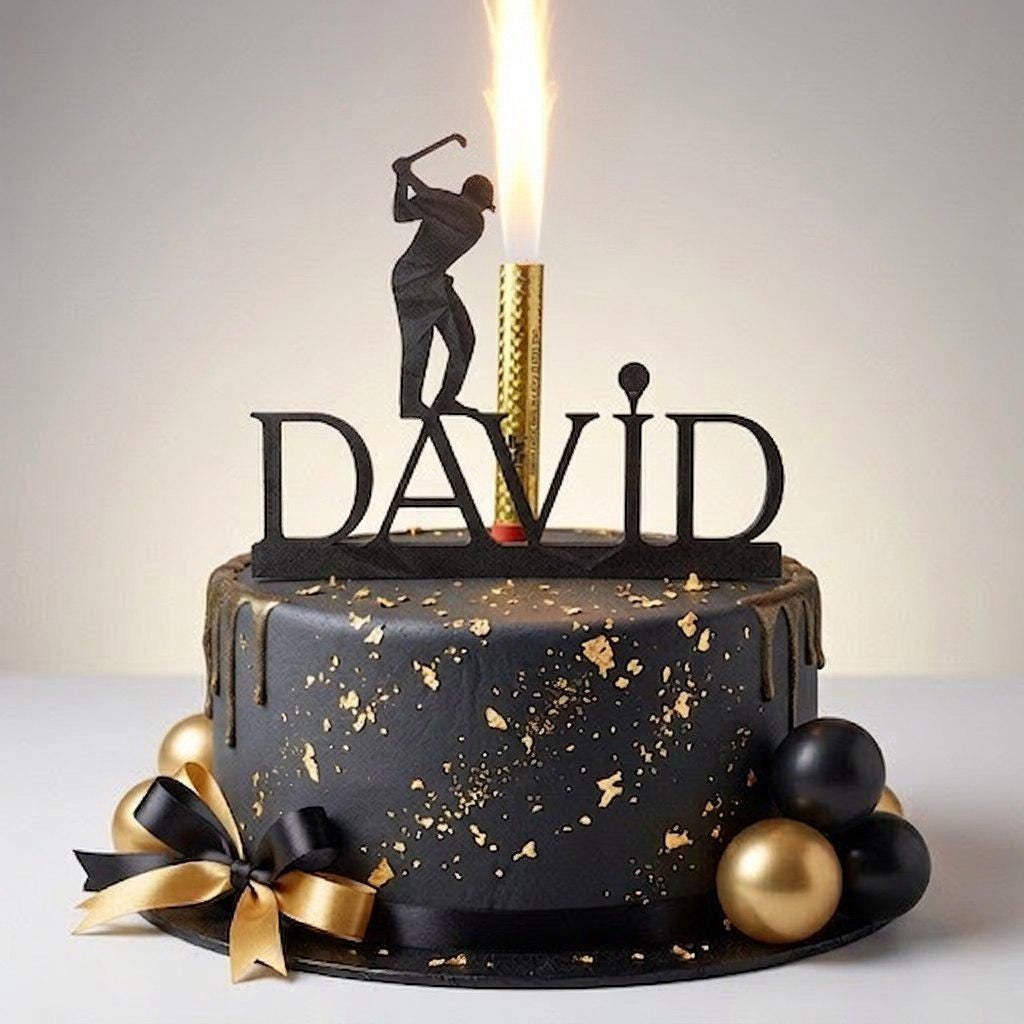
Golf Cake Topper personalisiert – Tortenstecker mit Wunschname
Golfer im Abschlag über dem Namen – die Zahl auf der Torte ist optional.
€16.94Anseheninkl. MwSt., zzgl. Versand - Bestseller✏️ Personalisierbar
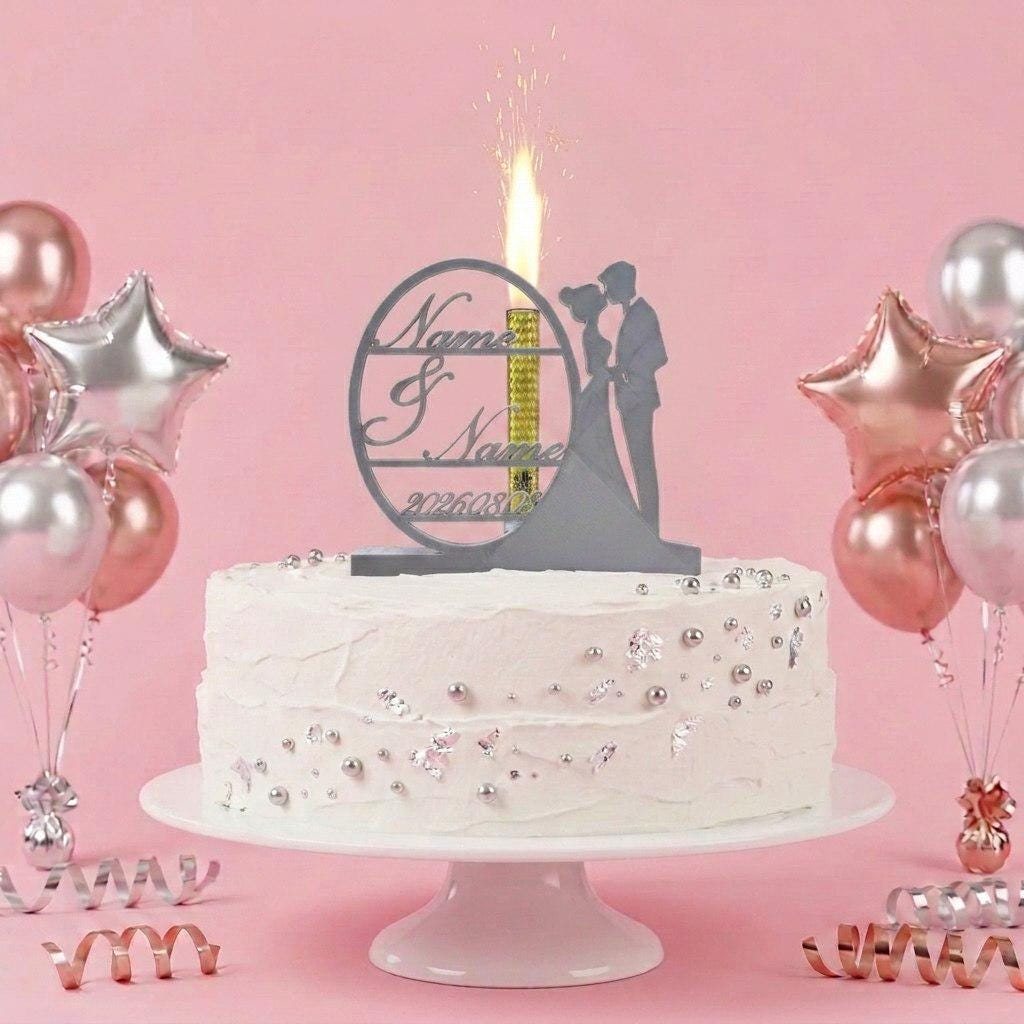
Cake Topper Hochzeit personalisiert – mit Namen und Datum
Beide Namen und euer Datum im ovalen Rahmen, daneben das Brautpaar.
€16.94Anseheninkl. MwSt., zzgl. Versand

Der Halter ist der ganze Trick
Die meisten Cake Topper sind nur ein Schild. Unserer hat eine in den Sockel eingeformte Fassung, die eine handelsübliche Tortenfontäne oder Eisfontäne festhält: Sie steht gerade, verrutscht nicht und die Flamme bleibt vom Zuckerguss weg. Die Fontäne selbst ist nicht dabei — die gibt es in jedem Partyladen — aber dank des Halters balancierst du sie nie wieder in einem Klecks Buttercreme.
- Passt zu handelsüblichen Torten- und Eisfontänen
- Hält die Wunderkerze aufrecht und weg von der Glasur
- Abwischen und aufheben — ein Andenken, keine Kerze
So funktioniert's
In drei Schritten vom Warenkorb auf die Torte.
Design wählen
Wähl einen Topper und eine Farbe. Vierzehn Filamentfarben, darunter vier Regenbogen-Mischungen.
Namen eintragen
Tipp Name und Alter ein. Die meisten Designs drucken den Text designbedingt in Großbuchstaben – prüf vor dem Bestellen nur die Schreibweise.
Anzünden
Eisfontäne in den Halter stecken, Licht dimmen — den Rest macht der Topper.
Cake Topper, die wirklich für dich gemacht sind
HeheCorner ist ein Ein-Personen-Studio in Spanien, das personalisierte Cake Topper auf 3D-Druckern fertigt. Nichts wird in Massen produziert, nichts liegt im Lager: Wenn deine Bestellung eintrifft, öffnen wir die Designdatei, tippen den Namen ein, drucken, schleifen und verschicken. Deshalb kann ein Topper alles sagen, was du willst — einen Namen, ein Alter, ein Datum oder einen Insider — ohne Aufpreis.
Wir machen Tortenstecker für Geburtstage, Hochzeiten, Verlobungen, Taufen und Junggesellinnenabschiede, von Dinosauriern und Einhörnern bis zu Golf, Fußball und Angeln. Jedes Design wird aus PLA gedruckt, einem pflanzenbasierten Kunststoff, und ist dafür gemacht, nach dem Anschneiden von der Torte genommen und aufgehoben zu werden. Wähl eine Farbe oder eine Regenbogen-Mischung und nenn uns den Namen — wir drucken innerhalb von 1–3 Werktagen, danach ist das Paket mit Tracking 5–10 Werktage nach ganz Deutschland unterwegs. Weitere Länder folgen bald.
Gerade besonders gefragt
Worauf du dich verlassen kannst
Keine erfundenen Bewertungen — nur das, was wir wirklich zusagen.
Auf Bestellung gefertigt
In unserem spanischen Studio gedruckt und von Hand veredelt
Versandkostenfrei ab 70 €
Auf Bestellung gefertigt in 1–3 Tagen · Versand mit Tracking in 5–10 Werktagen
Versand & Rückgabe
14 Tage Rückgabe für nicht personalisierte Artikel
Personalisierung gratis
Name, Alter oder Datum – prüf vor dem Bestellen nur die Schreibweise
Bezahlen — schnell und sicher
In zwei Klicks vom Warenkorb zur Zahlung — deine Kartendaten erreichen unseren Shop zu keinem Zeitpunkt.
Sicherer SumUp-Checkout
Du zahlst auf der verschlüsselten Bezahlseite von SumUp und kommst direkt zu uns zurück. Wir sehen und speichern deine Kartendaten nie.
Karten & Wallets
Visa, Mastercard, Apple Pay und Google Pay.
Verschlüsselte Zahlung
Abgewickelt von SumUp, einem regulierten europäischen Zahlungsdienstleister, über eine verschlüsselte Verbindung.
Versand mit Sendungsverfolgung
9,62 € nach Deutschland — ab 70 € versandkostenfrei.
Häufige Fragen
Ist die Wunderkerze im Preis enthalten?
Nein. Du bekommst nur den Cake Topper — die Wunderkerze beziehungsweise Eisfontäne kaufst du separat. Wir verkaufen keine Pyrotechnik und dürfen sie auch nicht versenden. Deshalb sagen wir es überall deutlich, auf jeder Produktseite und hier. Passende Tortenfontänen gibt es in Partyläden, Backshops, Pyrotechnik-Onlineshops und häufig auch im Supermarkt.
Welche Wunderkerzen passen in den Halter?
Der Halter ist für eine handelsübliche, aufrecht stehende Tortenfontäne gemacht — in Deutschland als Eisfontäne, Tortenfontäne oder Sprühkerze verkauft. Diese haben einen festen, geraden Sockel, der in die eingeformte Fassung gestellt wird; in die Torte gesteckt wird dabei nichts. Dünne Handwunderkerzen am Draht passen nicht hinein und sind dafür auch nicht vorgesehen. Miss im Zweifel den Sockeldurchmesser deiner Fontäne und schreib uns vor der Bestellung.
Sind Wunderkerzen auf der Torte giftig?
Pyrotechnik gehört grundsätzlich nicht ins Essen. Eine Fontäne, die direkt in der Torte steckt, brennt genau über der Stelle ab, die nachher jemand isst, und Rückstände fallen dorthin. Über die Zusammensetzung fremder Produkte sagen wir nichts — dafür haben wir unseren Halter so gebaut, dass die Fontäne in einer Fassung über der Torte steht statt in der Creme. Nimm den Topper trotzdem vor dem Anschneiden ab und schneide Stellen mit sichtbaren Rückständen großzügig weg.
Wie sicher sind Wunderkerzen auf der Torte?
Sicher wird es, wenn die Pyrotechnik nicht im Essen steckt und eine erwachsene Person dabeisteht. Stell die Torte auf eine stabile, hitzeunempfindliche Fläche, setz die Fontäne in den Halter, halte Haare, Ärmel, Papierdeko und Vorhänge weg und zünde erst dann an. Lass die Fontäne nie unbeaufsichtigt brennen, halte Kinder auf Abstand und nimm den Topper danach ab, bevor angeschnitten wird.
Welche Seite der Tortenfontäne wird angezündet?
Angezündet wird immer das obere Ende mit der Zündschnur beziehungsweise die markierte Stelle — nie der Sockel, der im Halter steckt. Welche Seite das genau ist, steht auf der Verpackung, und die Anleitung des Herstellers gilt vor allem, was wir hier schreiben. Zünde mit einem langen Streichholz oder Stabfeuerzeug an und tritt danach einen Schritt zurück.
Sind Eisfontänen gefährlich?
Es ist echte Pyrotechnik mit offener Flamme und Funkenflug, also ja — sie braucht Respekt. Der Sockel bleibt nach dem Abbrennen noch heiß, deshalb erst abkühlen lassen, bevor du ihn anfasst oder entsorgst. Verwende nur Fontänen, die für den vorgesehenen Ort zugelassen sind, halte den Abstand ein, den die Verpackung nennt, und zünde nie in der Nähe von Vorhängen, Papierdeko oder Alkoholflaschen an.